

 Ελληνικά
 Türkçe
 Deutsch
 Français
 Italiano
 Español
 Português
 Русский
 עברית
The village
Kormakitis, the Maronite village
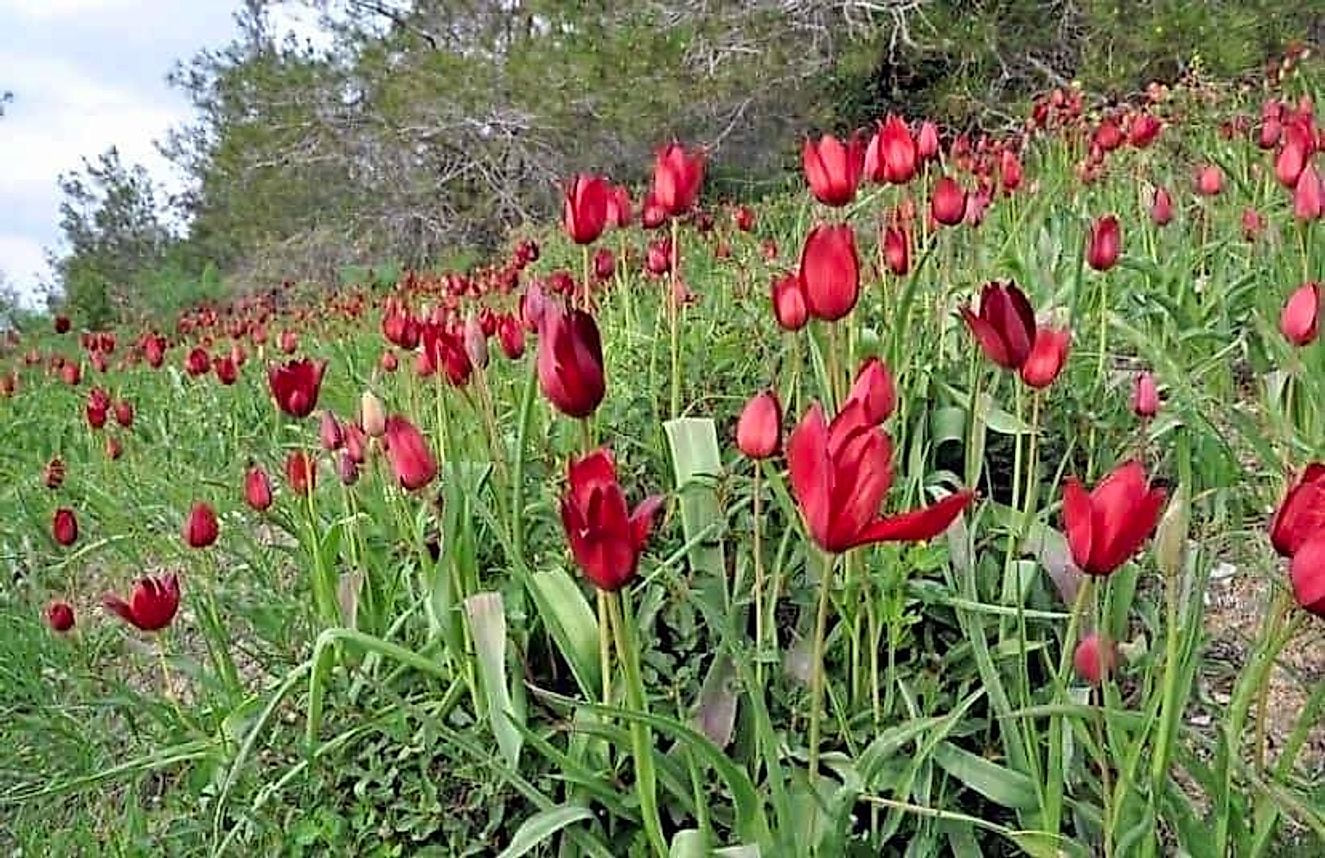
The village
A long history
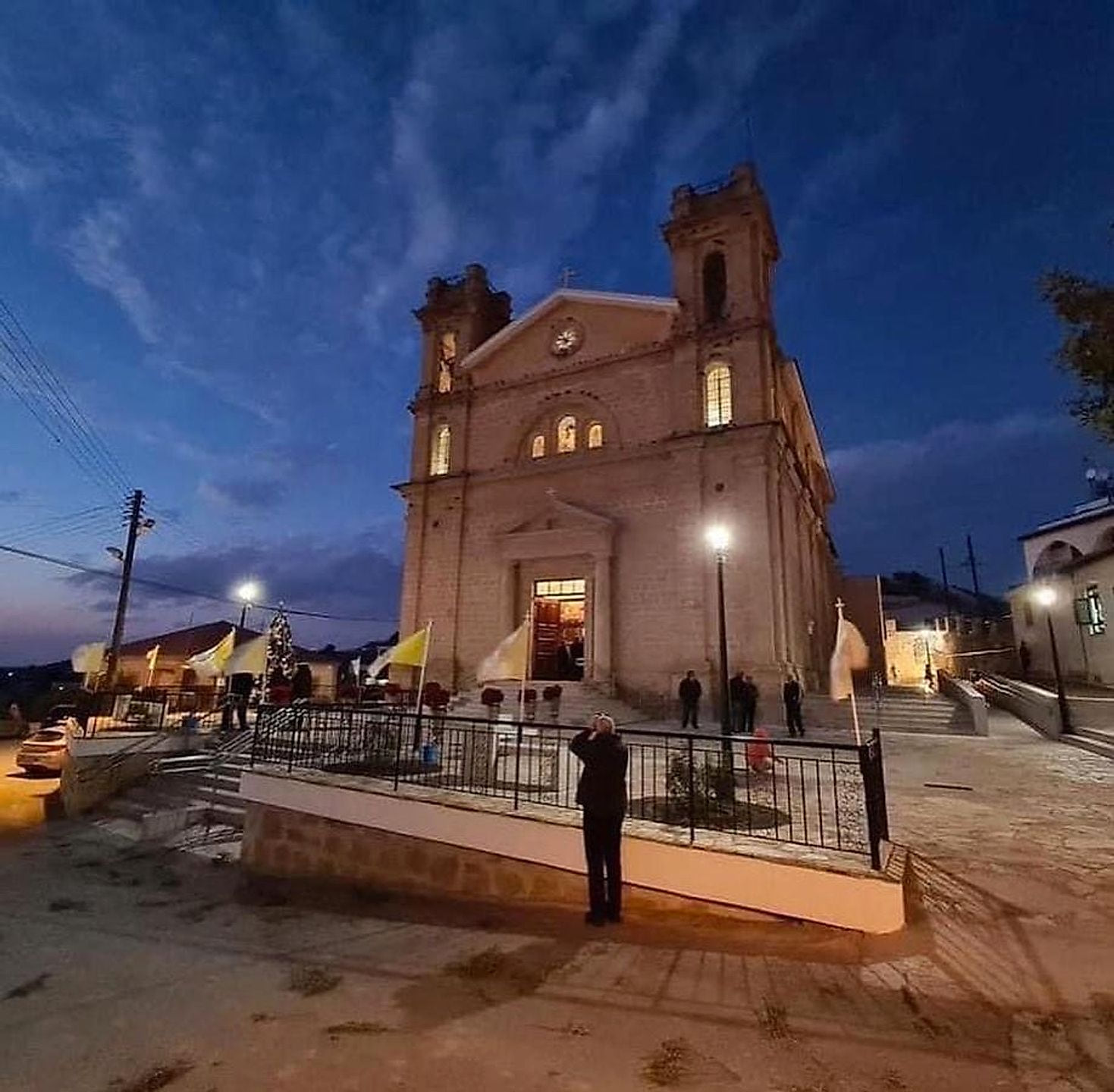
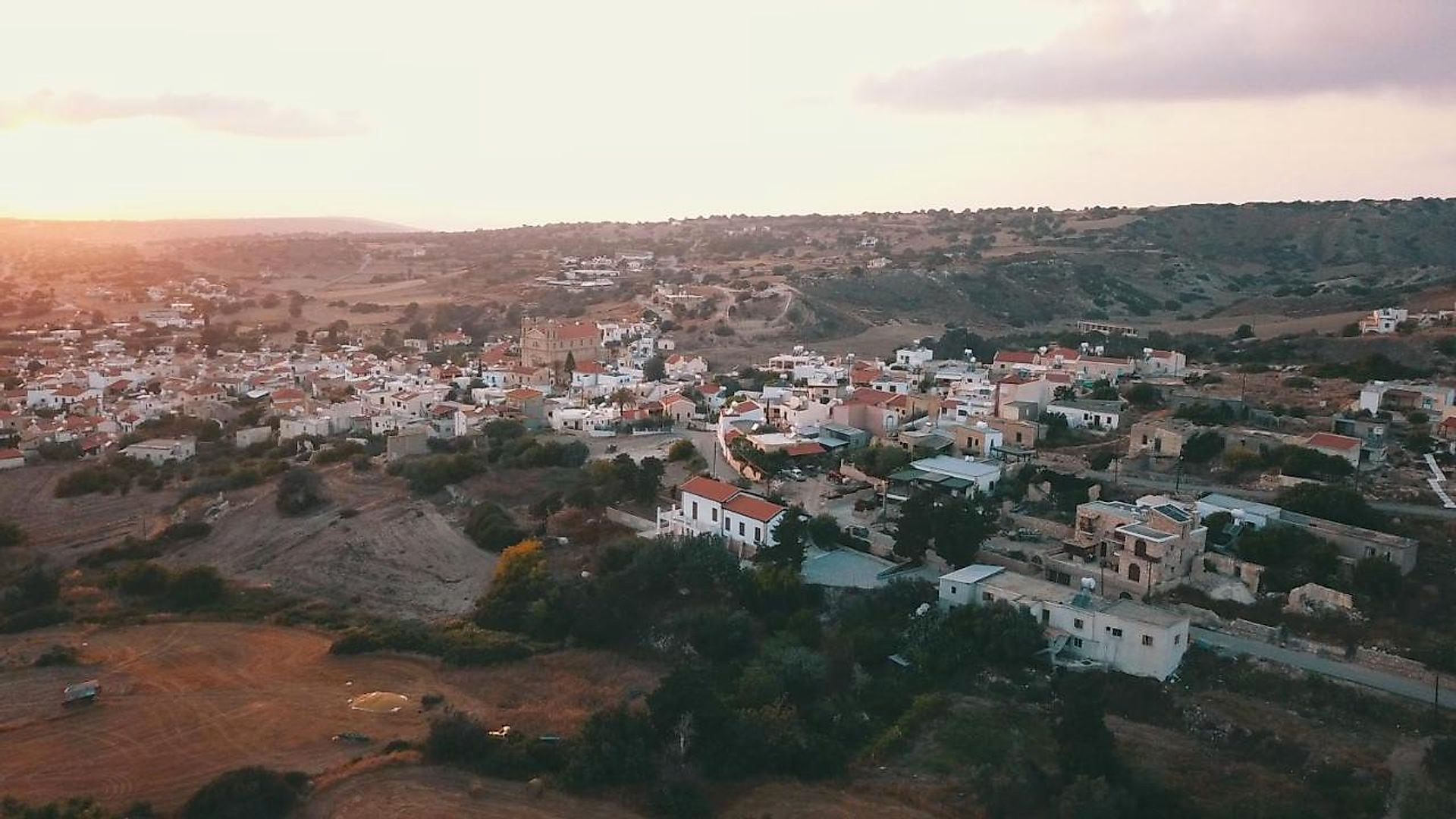
Kormakitis sits in the hills of north-west Cyprus, a few kilometres from the cape that shares its name. It is the heart of the island's Maronite community, with a language, churches and traditions found nowhere else in Cyprus.
Maronites have lived in Cyprus for centuries, and a large wave arrived in the late 12th century. Before 1974 the community lived in four villages: Kormakitis, Asomatos, Ayia Marina and Karpasia. Kormakitis was always its cultural centre, and it still is.
Language
Sanna, a language of its own
In Kormakitis you may hear Sanna, also called Cypriot Maronite Arabic: a language with Arabic roots, traces of Aramaic and many Greek words. UNESCO lists it as severely endangered, with around a thousand speakers left.
Summer language camps in the village now teach it to children and adults, so it can be passed on.
Churches
Three churches of St George
St George's Cathedral
In the village square. Unlike the domed churches of most Cypriot villages, it has a sharp, angular outline.
Old St George's Church
Built in the 16th century beside a nunnery, it was the community's main church until the early 20th century and has since been carefully restored.
Chapel of St George by the sea
North of the village near the coast, built in 1852. Every year on 3 November the community gathers here for Mass.
- Sundays in the villageMass is said every day, but on Sundays several hundred people come, and the village fills with families visiting their homes.
- Cape KormakitisThe north-western tip of Cyprus. The road passes through Livera, then the last 4 km are a gravel track you can walk, cycle or drive. The coast is wild, with no lifeguards or facilities, so bring water.
- Walking, cycling and horse riding in the countrysideWe're happy to recommend routes around the village.
Ask us about the village
Our family loves sharing the story of Kormakitis with guests. Just ask us over breakfast or dinner.